Author, researcher, and essayist

Stories at the meeting point of history and human experience.

Shkëndim Spahiu writes across literature, history, philosophy, and personal experience, exploring how the past continues to shape the present.

Explore Books
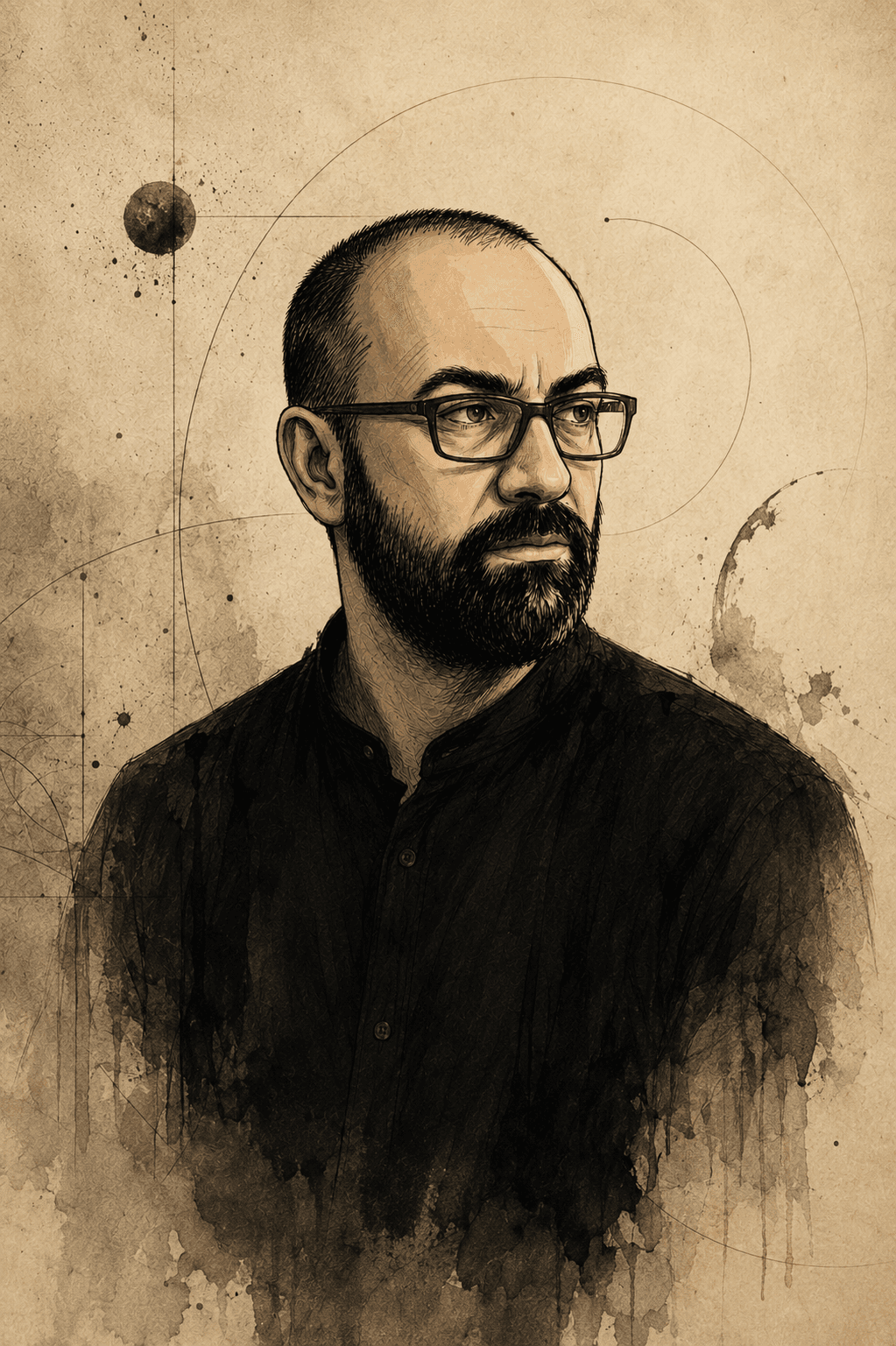
Portrait of Shkëndim Spahiu
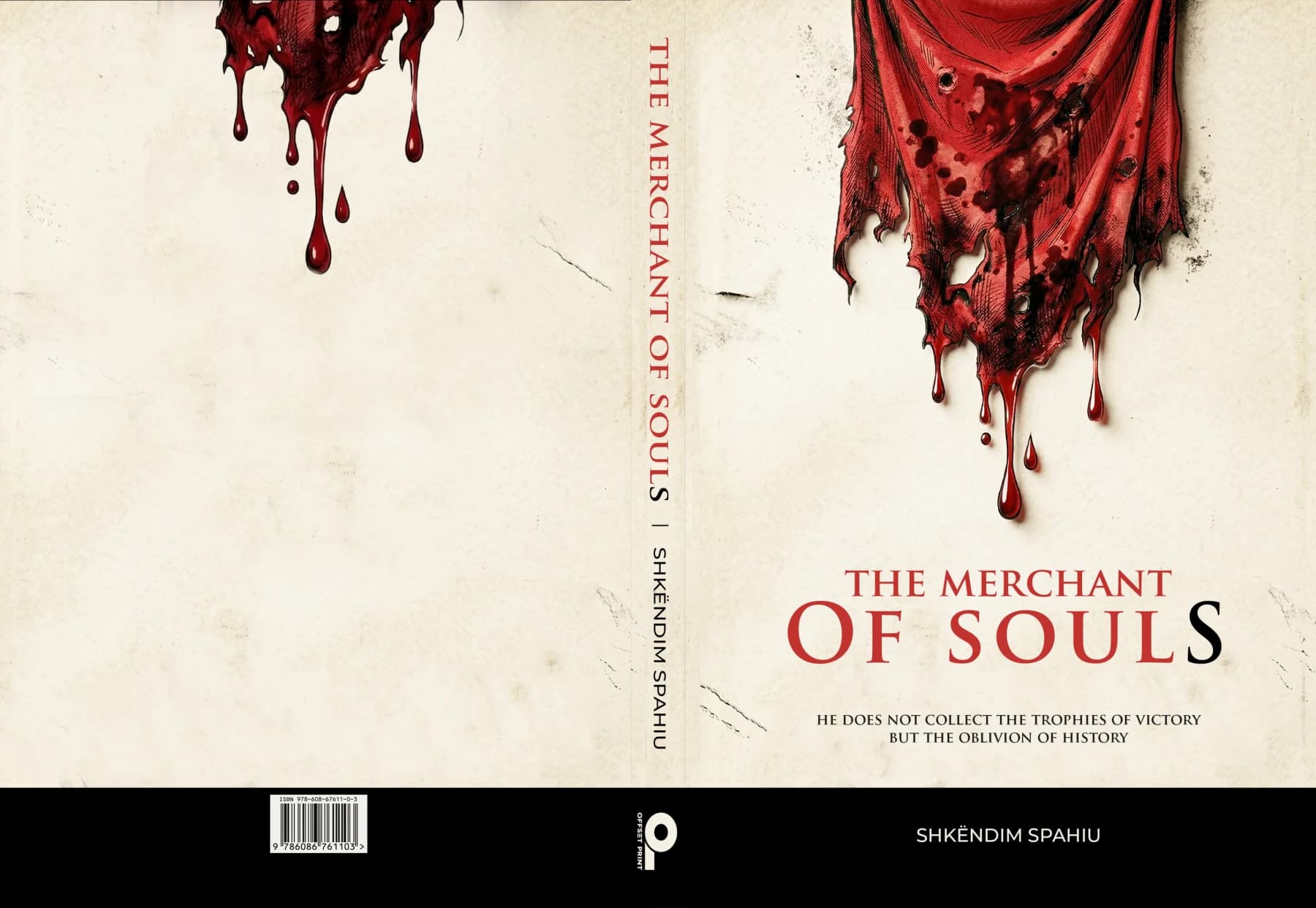
Cover of The Socrates of Cërvica by Shkëndim Spahiu
Coming soonThe Socrates of Cërvica

Coming soon

The Socrates of Cërvica

The book "The Socrates of Cërvica" explores the phenomenon of the lived philosophy of Xha Deralla (1842–1950) from Cërvicë, Kërçovë, placing his 108-year life trajectory in direct dialogue with Socratic irony, Diogenic Cynicism, and the Aristotelian concept of phronesis. Through an in-depth analysis of anecdotes, folk songs, and the traditional oda functioning as a rural agora, this work documents how satire, cunning intelligence (metis), and humor operated as vital protective mechanisms for human dignity and national identity under Ottoman, Serbian, and Yugoslav regimes. This study deconstructs institutional authority, elevating folk wisdom beyond simple folklore into the realm of universal archetypes of existential and ontological resistance.

About the author

Writing to preserve the human dimension of history.

Shkëndim Spahiu is an author, researcher, and essayist from the Kičevo region of North Macedonia. His work examines history, human nature, power, memory, and identity.

His writing brings historical research into conversation with narrative, focusing on the individuals and families behind larger political and social change.

Learn More →

Research & essays

Latest writing

01

The Anatomy of a Balkan "Trickster"

Xha Deralla and the Philosophy of Folk Resistance in Kërçova

The figure of Xha Deralla from Cërvica, Kërçova, serves as a central pillar of regional oral heritage. This character represents folk wisdom through humor and anecdotes shared in traditional chambers (oda). The elder's life spans exceptionally harsh periods under Ottoman and Serbian rule. In this context, his resistance took a unique form by utilizing the spoken word as a weapon against oppression. The analysis documents the interventions of his satirical tales within patriarchal social structures. Xha Deralla openly challenged foreign commissions with pragmatic replies about beans (groshë) and cured meat (pastërma). His mediation in an irrigation conflict compelled residents to dig new working channels. His actions consistently unmasked the hypocrisy of religious and administrative authorities. Folk culture in Kërçova remains intimately tied to the wit of this figure. His humor transforms into an instrument for social justice and the defense of human dignity. His messages spurred the transition from dependency to self-reliance and personal labor. The legacy of the elder from Cërvica reflects the moral integrity of the Albanian community.

Get the essay →
02

Bektashism and the Albanian National Awakening

Identity, Social Influence and the Kercova Paradigm

The present study analyzes the transformative role of Bektashism in shaping Albanian national identity during the 19th century, within the context of the Ottoman Empire's decline and the expansionist ambitions of neighboring Balkan states. Through a macro-historical analysis of the National Awakening (Rilindja) and micro-historical research into the Kercova region, the paper examines how the mystic order served as a bridge between diverse religious faiths, promoting tolerance and the principle of Albanianism over religious dogma. Particular attention focuses on the Spahiu family of Cervica, illustrating the evolution of Albanian elites from cavalrymen (Sipahis) into Bektashi spiritual leaders protecting cultural and linguistic heritage through a network of tekes (lodges). The research confirms the fact Bektashism functioned not merely as a religious practice, but a strategic survival mechanism enabling social cohesion and political resistance during a critical period for the existence of the Albanian nation.

Get the essay →